Awareness Is Advocacy: Using My Platform and Profession to Elevate Sickle Cell Stories
 by Alex Hill | September 30, 2026
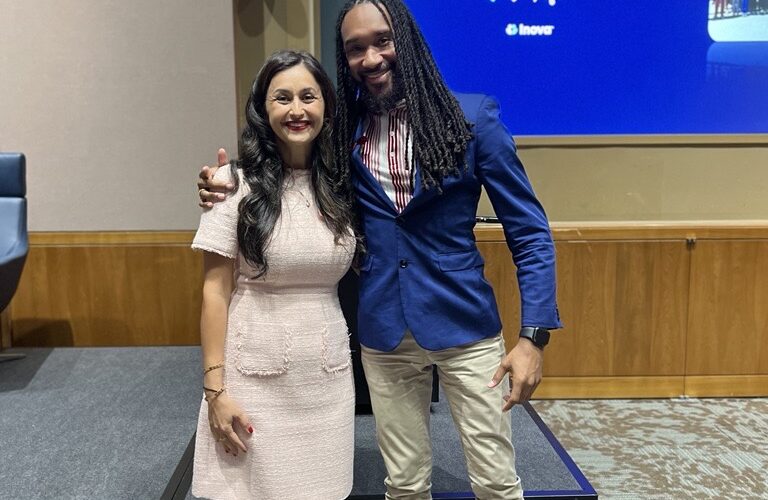
Public relations is about much more than securing a headline or landing an interview. Strategic communications highlights issues that deserve greater attention, amplifies voices that need to be heard, and inspires people to care and act. The impact of storytelling is why I decided to embark on a career in this industry. My passion for communications is also personal. My first cousin was diagnosed with sickle cell disease at birth, and I have seen firsthand the strength and resilience required of sickle cell warriors and their families. When I turned 30, I wanted the milestone to be about more than celebrating another birthday. I created The Humble Hill Experience in honor of my cousin and used the celebration as an opportunity to bring greater visibility to sickle cell disease. The “edutainment” concept brought together entertainment, education, and advocacy. Through music, comedy, spoken word, and meaningful conversation, we created an experience where people could celebrate while also learning more about sickle cell disease and the people whose lives are impacted by it.
My goal was simple: I wanted people to leave knowing more, caring more, and feeling inspired to take action.
That experience reinforced a belief that has stayed with me throughout my career: Awareness is advocacy.
When Profession and Purpose Intersect
As a director at Curley Company, I have the opportunity to support Inova’s communications efforts and help elevate the important work happening across its health system. Through that work, I’ve had the opportunity to lead storytelling and earned media strategy surrounding Inova’s sickle cell program.
There is something particularly meaningful about bringing a cause that matters to me personally into the work I do professionally.
Through our communications efforts, I’ve helped secure earned media opportunities that spotlight the experiences of sickle cell warriors while elevating the expertise of the Inova providers advancing patient care and research, including coverage with outlets such as The Washington Informer, BlackDoctor.org, Black Health Matters and NBC4 Washington.
Those opportunities matter because media visibility can help move an issue beyond the people already familiar with it. A television interview, news story, or social media clip can introduce someone to sickle cell disease for the first time, help a patient or family feel seen, and give a physician or advocate a platform to educate thousands of people at once.
A news story can encourage someone to learn about their sickle cell trait status and better understand what that status could mean as they think about future family planning. It can also amplify the importance of blood donation, particularly during periods of critical blood shortages, and remind potential donors that maintaining a strong and diverse blood supply can be especially important for people living with sickle cell disease who may rely on blood transfusions as part of their care.
Someone watching an interview may decide to get tested. Someone reading an article may have a conversation with their partner or family. Someone hearing the story of a sickle cell warrior may decide to roll up their sleeve and donate blood.
That is why these stories matter.
For me, earned media is about more than securing coverage. It is about creating opportunities for information to reach people who can do something with it. Whether that means learning about sickle cell trait status, donating blood, supporting a loved one, or simply gaining a deeper understanding of the disease, awareness has the power to inspire action. That is why I believe awareness is advocacy.